
Skip to content
Location data knowledge base

Frequently Asked Questions

Welcome to the Quadrant Location Data Knowledge Base and FAQs. Learn the fundamentals of mobile location data, geospatial intelligence, mobility analytics, and how location data is used in AI, mapping, analytics, and real world decision making.

For any further questions please contact us.


Also explore:

POI FAQs
General FAQs
FAQs About Quadrant

Welcome to our Quadrant POI Data Knowledge Base! Through these chapters, we will learn about what POI data is, why it is useful, and the mechanics behind its collection and real-world usage.

Click here to see POI FAQs

Generic FAQs about the location data industry.

Click here to see FAQs


FAQs about Quadrant

Click here to see FAQs

Mobile Location Data FAQs

What is mobile location data?

Mobile location data is information that helps identify the geographic position of mobile devices such as smartphones and tablets. Location data is typically represented using latitude and longitude coordinates and may include additional attributes such as timestamp, horizontal accuracy, altitude, device identifiers, and geospatial indexes.

Businesses use mobile location data to understand movement patterns, analyze visitation behavior, improve location based services, build mapping products, support AI applications, and generate real world insights.

How is mobile location data collected?

Mobile location data can be collected from several sources, including GPS signals, mobile applications, Wi Fi signals, beacons, and other location technologies.

GPS remains one of the most accurate sources of location information, providing precise latitude and longitude coordinates under suitable conditions. Different collection methods offer different levels of accuracy, coverage, and scale, making it important to understand the source of the data before using it for analytics or AI applications.

What is GPS location data?

GPS location data refers to geographic coordinates generated by the Global Positioning System. GPS enabled devices communicate with satellites to calculate their location on Earth.

GPS data is widely regarded as the standard for location intelligence because it provides highly accurate positioning when satellite visibility is strong. However, accuracy may decrease indoors or in areas where buildings, terrain, or other obstacles interfere with satellite signals.

What is mobile location data used for?

Mobile location data supports a wide range of use cases, including:

  • Mobility and movement analysis
  • Retail site selection
  • Trade area and catchment analysis
  • Market intelligence
  • Real estate analytics
  • Transportation planning
  • Mapping and navigation products
  • Audience insights
  • Location based services
  • AI model training and evaluation
  • Point of Interest enrichment
How is location data used in AI?

Location data is becoming an increasingly important component of AI systems that require an understanding of the physical world.

AI developers use location data to train, evaluate, and improve models that support mapping, navigation, mobility intelligence, geographic search, recommendation engines, logistics optimization, urban planning, and location based decision making.

When combined with Points of Interest data and geospatial context, location data helps AI systems understand where people go, how places are connected, and how movement patterns evolve over time.

Why is location data important for AI models?

Most AI models understand digital information such as text, images, and videos. Location data adds real world context by connecting people, places, and movement patterns.

This allows AI systems to:

  • Understand spatial relationships between locations
  • Improve geographic reasoning
  • Build more accurate maps
  • Generate location aware recommendations
  • Analyze human mobility patterns
  • Support geospatial search and discovery

Location data helps bridge the gap between digital intelligence and real world activity.

What makes location data AI ready?

AI ready location data is accurate, structured, privacy compliant, and enriched with metadata that helps machine learning systems interpret real world locations and movement.

Important characteristics include:

  • High positional accuracy
  • Quality controlled location events
  • Historical coverage
  • Global scale
  • Privacy compliant collection
  • Rich geospatial attributes
  • Point of Interest enrichment
  • Consistent data formatting

High quality data improves model performance, reduces noise, and enables more reliable AI outcomes.

Is it legal to use mobile location data?

Yes, anonymized mobile location data can be used legally when it is collected and processed in accordance with applicable privacy regulations and user consent requirements.

Data privacy regulations such as GDPR, CCPA, and other regional privacy frameworks require organizations to obtain appropriate consent and provide transparency regarding how data is collected, processed, stored, and shared.

Responsible location data providers implement privacy safeguards and data governance practices to support regulatory compliance.

What is visitation data?

Visitation data measures when devices are observed at specific locations or Points of Interest.

Businesses use visitation data to understand customer traffic patterns, analyze venue performance, benchmark competitors, and measure real world engagement.

What is mobility intelligence?

Mobility intelligence refers to insights derived from aggregated location data that help organizations understand movement patterns, travel behavior, visitation trends, and geographic relationships between places.

Mobility intelligence is widely used in retail, real estate, transportation, finance, government, and AI applications.

How do you ensure location data quality?

High quality location data requires rigorous validation and quality control processes.

Common quality assurance methods include:

  • Noise filtering
  • Fraud detection
  • Signal validation
  • Duplicate removal
  • Accuracy verification
  • Device quality scoring
  • Temporal consistency checks
  • Point of Interest validation

These processes help ensure reliable analytics and AI outcomes.

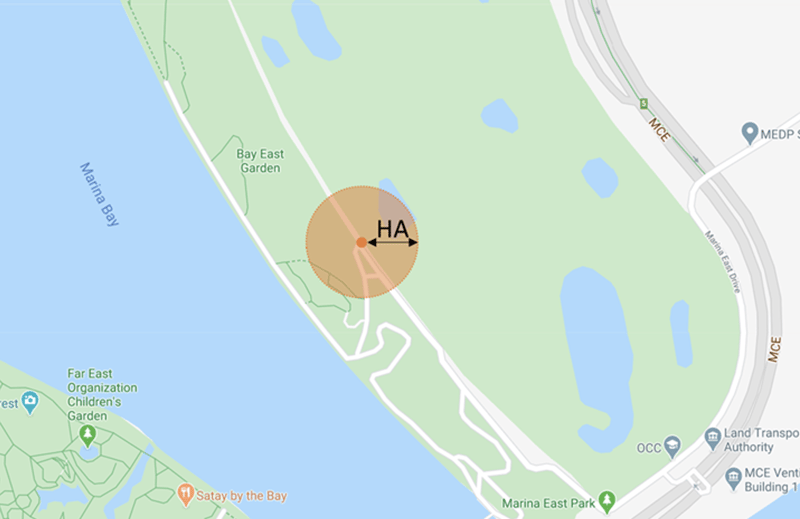
What is horizontal accuracy?

Horizontal accuracy represents the estimated distance between a recorded location point and the device's true location.

It is typically expressed as a radius around a coordinate. A smaller horizontal accuracy value generally indicates a more reliable location observation.

Understanding horizontal accuracy is critical when performing venue level analysis, visitation measurement, and geospatial modeling.
What is geofencing?

Geofencing is the creation of a virtual geographic boundary around a physical location or area.

Organizations use geofences to analyze visitation behavior, measure foot traffic, define catchment areas, study movement patterns, and evaluate location performance.

Geofencing is commonly used in retail analytics, market research, transportation, and mobility intelligence.

What is a geohash?

A geohash is a geospatial indexing system that converts latitude and longitude coordinates into an alphanumeric string.

Geohashes help organize and query large location datasets efficiently, making them widely used in geospatial analytics, mobility intelligence, AI workflows, and location based applications.

What location data fields are commonly included?

Mobile location datasets may include:

  • Latitude
  • Longitude
  • Timestamp
  • Horizontal accuracy
  • Altitude
  • Geohash
  • Country and region information
  • Device identifiers
  • Point of Interest associations

Available fields may vary depending on the data source and use case.

What is teleportation in location data?

Teleportation refers to location events that indicate a device has moved between two places faster than physically possible.

For example, if a device appears in New York and then appears in Los Angeles a few minutes later, the movement is unlikely to represent real world behavior. This is commonly referred to as a teleportation event.

Teleportation can occur for several reasons, including:

  • GPS signal errors
  • Device location spoofing
  • Data collection issues
  • Low quality location signals
  • Incorrect timestamping
  • Data aggregation errors

It is important to note that a small percentage of teleporting events is normal and expected in virtually all large scale location datasets. GPS signals can be affected by environmental conditions, device hardware limitations, network behavior, and other factors that occasionally result in inaccurate location observations.

The presence of some teleportation does not necessarily indicate poor quality data. What matters is how effectively a provider identifies, measures, and filters anomalous events before delivering data to customers.

Because teleportation events can distort mobility analysis and AI training datasets, high quality location data providers apply quality control processes to identify and remove impossible movements. Many providers use speed thresholds, trajectory analysis, and machine learning techniques to detect and filter suspicious signals while preserving legitimate movement patterns.

How does Quadrant remove fraudulent and low quality location signals?

Quadrant applies rigorous quality control processes, including noise filtering, deduplication, accuracy validation, and teleportation detection to identify and remove anomalous location events. These measures help improve the reliability of mobility analytics, visitation measurement, location intelligence, and AI applications built on location data.

What are one time ping devices in location data?

One time ping devices are devices that generate only a single location event, or very few location events, within a given time period.

For example, a device may appear once in a dataset with a single GPS observation and then never appear again. These devices are commonly referred to as one time pingers, single ping devices, or low frequency devices.

One time ping devices are a natural part of most large scale location datasets and can occur for several reasons:

  • Users uninstall an app
  • Users revoke location permissions
  • Infrequent app usage
  • Temporary data collection interruptions
  • Device replacement or resets
  • Limited participation in the underlying data network

Some one time ping devices represent legitimate users and are a normal, expected part of any large scale location dataset. Users may only open an app occasionally, revoke location permissions, replace their devices, or simply generate very few location signals over a given period. While a certain percentage of one time ping devices is completely natural, these devices generally provide limited analytical value because there is insufficient data to understand movement patterns, visitation behavior, dwell time, or device trajectories over time. For this reason, many location intelligence providers apply device quality and activity thresholds when generating mobility insights, visitation metrics, and AI training datasets.

For this reason, many location intelligence providers apply minimum activity thresholds and quality filters when generating mobility insights, audience segments, visitation metrics, and AI training datasets.

What are best practices for evaluating location data?

Evaluating location data requires more than simply looking at the volume of records. High quality location intelligence depends on the accuracy, consistency, and reliability of the underlying signals.

Key factors to consider include:

  • Geographic Coverage: Does the data cover the markets relevant to your business?
  • Accuracy: What is the typical horizontal accuracy of location observations?
  • Device Quality: How are low quality devices and anomalous signals identified and filtered?
  • Freshness: How quickly is new data made available?
  • Consent and Privacy Compliance: Is the data collected and processed in accordance with applicable privacy regulations?
  • Historical Depth: How much historical data is available for analysis and model training?
  • Teleportation Rates: How effectively are impossible movements identified and removed?
  • One Time Ping Devices: What percentage of devices generate only a single observation?
  • Data Consistency: Are location signals stable and reliable over time?
  • Scalability: Can the dataset support large scale analytics and AI applications?

Organizations should also request sample data and validate it against their own use cases. A location dataset that performs well for market level analysis may not be suitable for venue level visitation measurement, mobility intelligence, or geospatial AI applications.

The most valuable location data is not necessarily the largest dataset, but the one that delivers the highest quality signals, reliable coverage, and actionable insights.

How Should One Evaluate a Location Data Provider?

Evaluating a location data provider requires understanding both the scale and quality of the underlying data. Large datasets are valuable only if the signals are accurate, reliable, and suitable for your intended use case.

Key factors to consider include:

  • Geographic Coverage: Does the data cover the countries and regions important to your business?
  • Data Accuracy: What is the typical horizontal accuracy of location observations?
  • Data Freshness: How quickly is new data delivered and updated?
  • Historical Coverage: How much historical data is available for analysis and AI training?
  • Device Quality: How are low quality devices and anomalous signals identified and filtered?
  • Teleportation Detection: How are impossible movements detected and removed from the dataset?
  • One Time Ping Devices: What percentage of devices generate only a single observation, and how are they handled?
  • Privacy Compliance: Is the data collected with appropriate consent and in accordance with applicable privacy regulations?
  • Data Consistency: Are signals reliable across different markets and time periods?
  • Support for Analytics and AI: Is the data suitable for mobility intelligence, visitation measurement, geospatial analytics, and AI applications?

Organizations should always test sample data against their specific use cases before selecting a provider. The most valuable location data is not necessarily the largest dataset, but the one that delivers the most reliable, accurate, and actionable insights.

Basics of Location Data

Location data are information about the geographic positions of devices (such as smartphones or tablets) or structures (such as buildings, attractions).

The geographic positions of location data are called coordinates, and they are commonly expressed in Latitude and Longitude format.

Additional attributes such as elevation or altitude may be included and helps data users get more accurate picture of the geographic positions of their data.

People commonly mean GPS data when they talk about location data. In reality, there are various types of location data.

It is important to know how the data is collected as it determines the accuracy and depth of the collected data, this have direct implications on the suitability and usability of the data for a business.
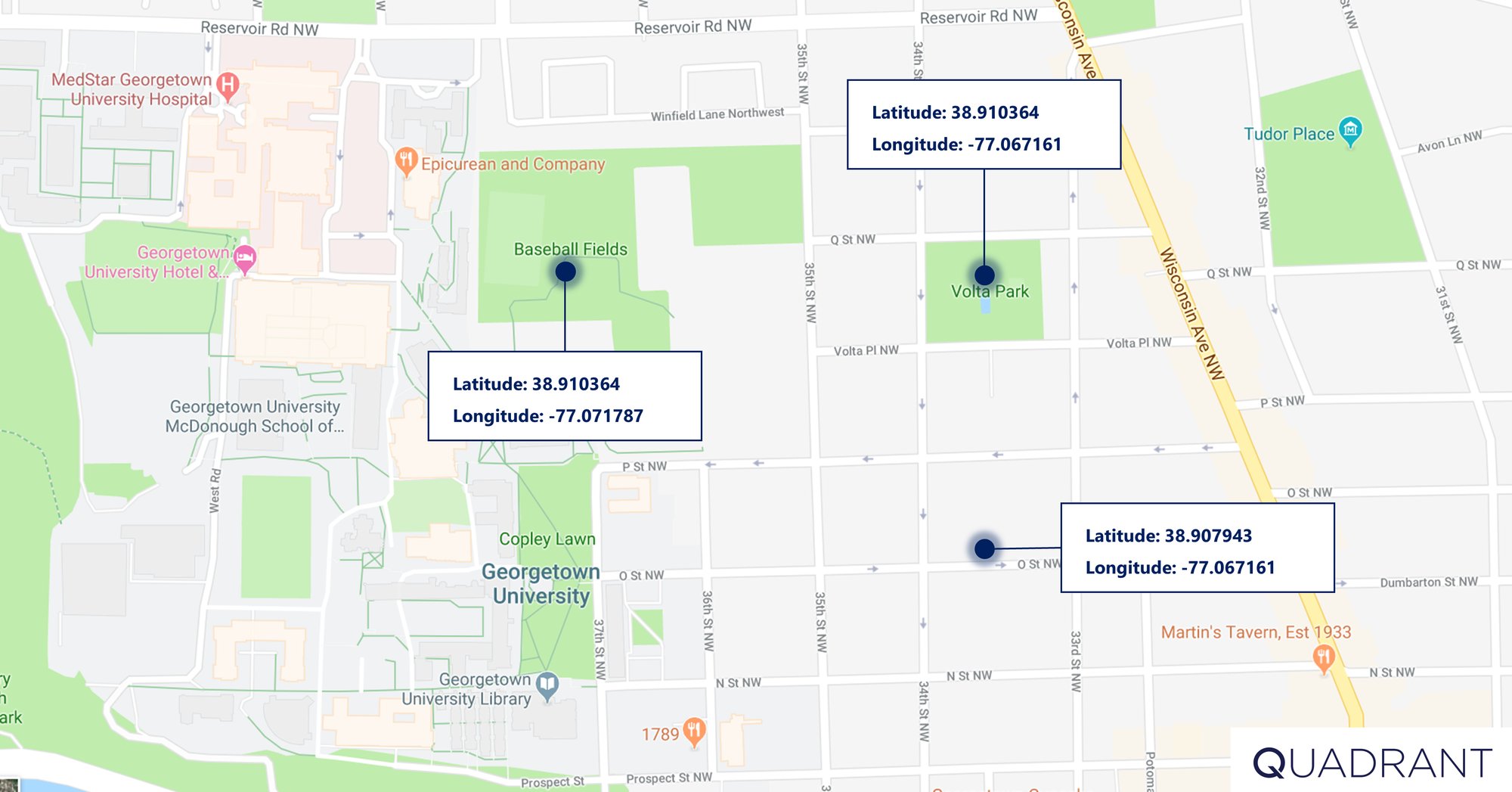
Representing Location Data

Latitude / Longitude
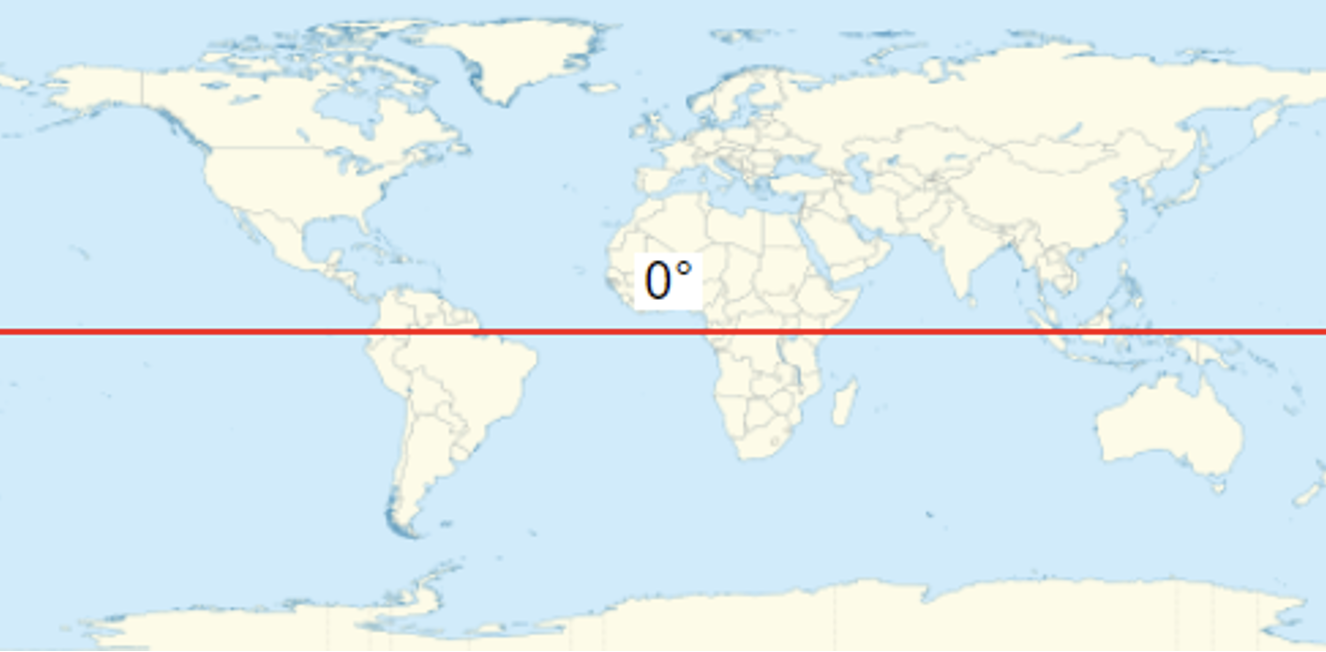
The "latitude" of a point on Earth's surface is the angle between the equatorial plane and the straight line that passes through that point and through (or close to) the center of the Earth. The 0° parallel of latitude is designated the Equator, the fundamental plane of all geographic coordinate systems.
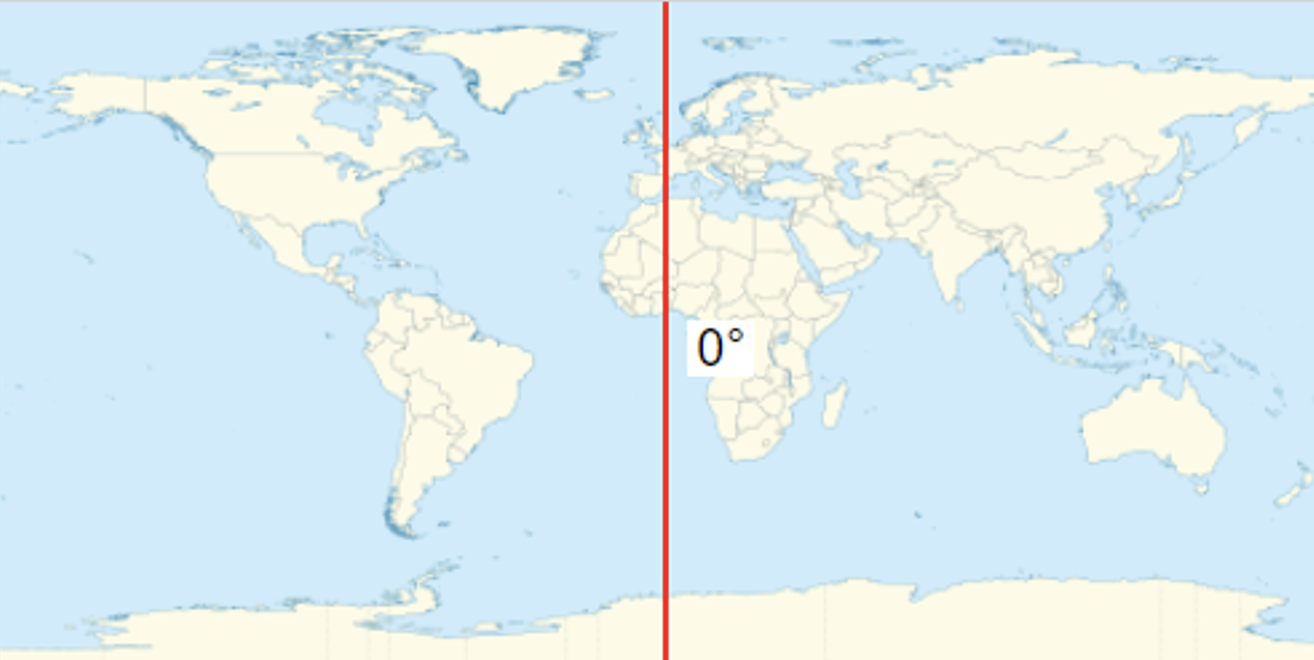
The "longitude" of a point on Earth's surface is the angle east or west of a reference meridian to another meridian that passes through that point. Fun fact, you can actually step on the meridian if you ever visit British Royal Observatory in Greenwich, in southeast London (highly recommend it as the view of the city is amazing from there).
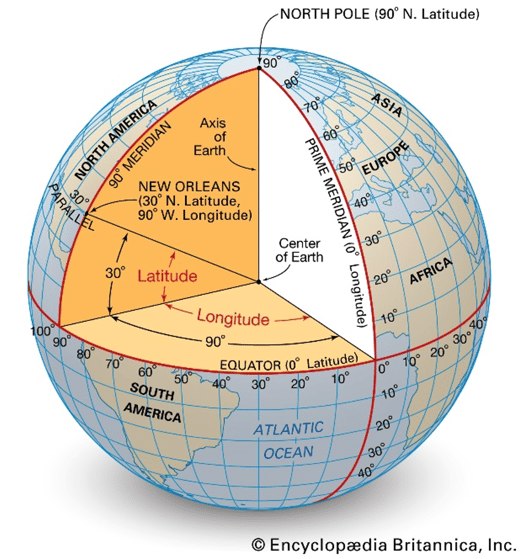
The combination of these two components specifies the position of any location on the surface of Earth. Lat/long data points can be expressed in decimal degrees (DD). The other convention for expressing lat/long is in degrees, minutes, seconds (DMS). For example, below is the same point expressed in DD and DMS (you can find many converters online):

DD: 47.21746, -1.5476425
DMS: 47° 13’ 2.856”, 1° 32’ 51.5106”

You can see these DMS coordinates at airports, where the gates are marked in degrees, minutes and seconds

Another important thing to understand about decimal degrees is that they carry a level of precision. The number of decimal places required for a particular precision at the equator is:
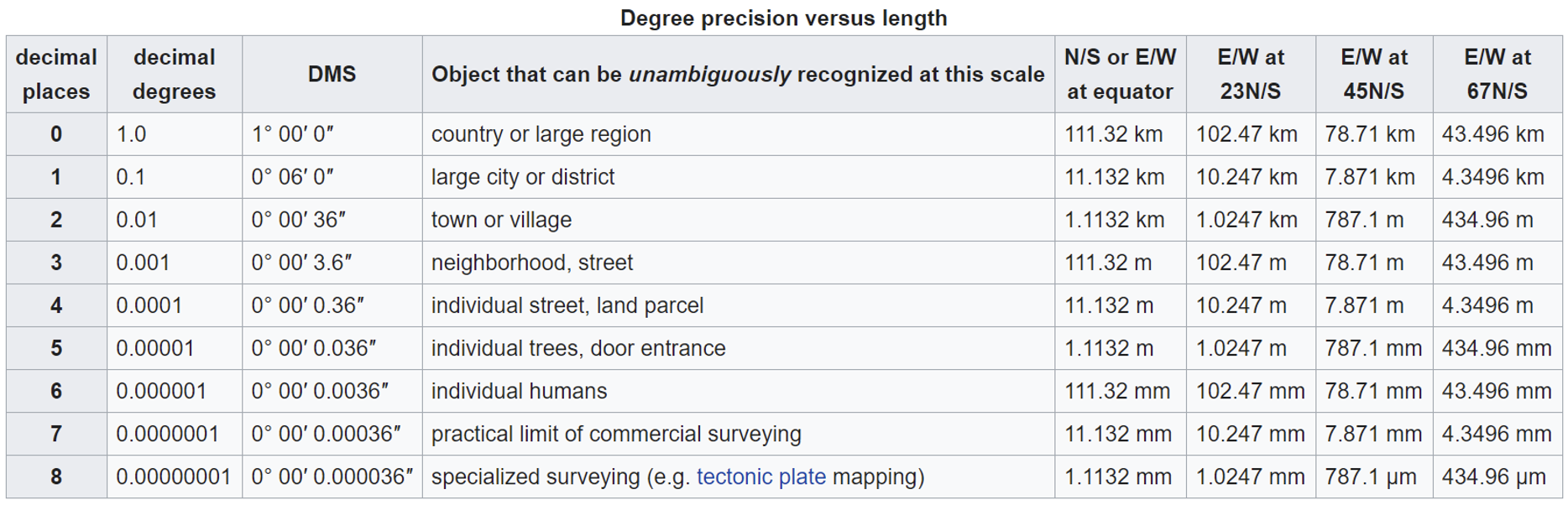
A value in decimal degrees to a precision of 4 decimal places is precise to 11.132 meters at the equator. A value in decimal degrees to 5 decimal places is precise to 1.1132 meter at the Equator.

Geohash

Invented by Gustavo Niemeyer, Geohash is a geocoding system that allows the expression of a location anywhere in the world using an alphanumeric string. Geohash is a unique string derived by encoding and reducing the two-dimensional geographic coordinates (latitude and longitude) into a string of digits and letters. A Geohash can be as vague or accurate as needed depending on the length of the string.

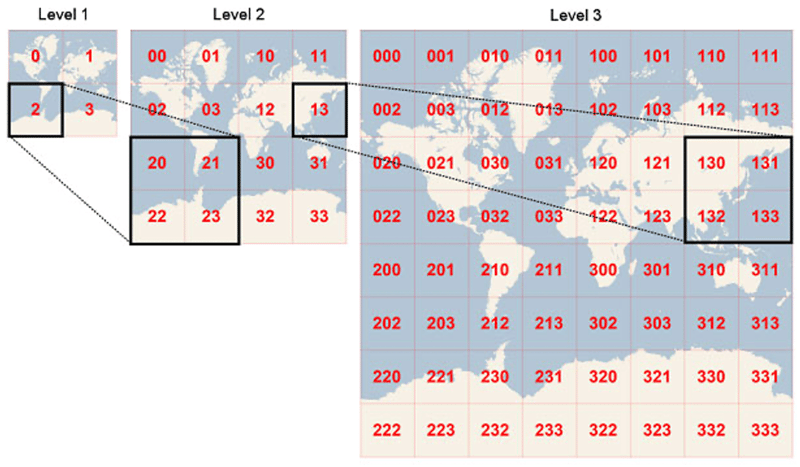
Geohashes use Base-32 alphabet encoding i.e., uses all digits 0-9 and almost all lower-case letters except "a", "i", "l" and "o". It is a convenient way to express a location anywhere in the world. Geohashes basically divide the world into a grid with 32 cells. Each cell will also contain 32 cells, and each one of these will contain 32 cells (and so on repeatedly).
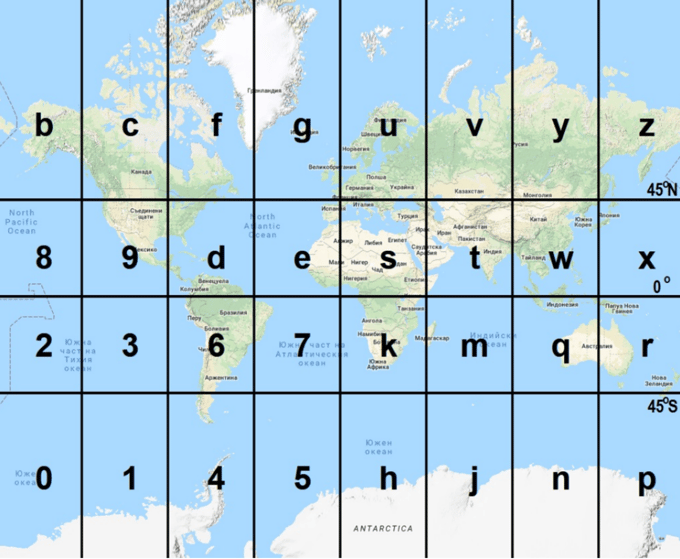
Adding characters to the geohash sub-divides a cell, effectively zooming in to a more detailed area. This is referred to as geohash precision. Geohash Precision is a number between 1 and 12 that specifies the precision (i.e., number of characters) of the geohash. Each additional character of the geohash adds precision to your location.

At Quadrant, we usually provide 12-precision geohash for all the events.

The cell sizes of geohashes of different lengths are as follows; note that the cell width reduces moving away from the equator (to 0 at the poles):
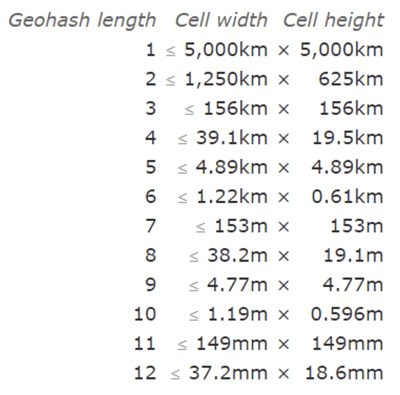
Visually:
Geohashes have a certain property that makes them suitable for geospatial queries like localized search (points with similar geohashes that are near each other with the same geohash prefixes).

For example, if you want to list the number of persons who were seen in and around the Empire State Building, you can first determine the geohashes you want to cover and then run a simple query:
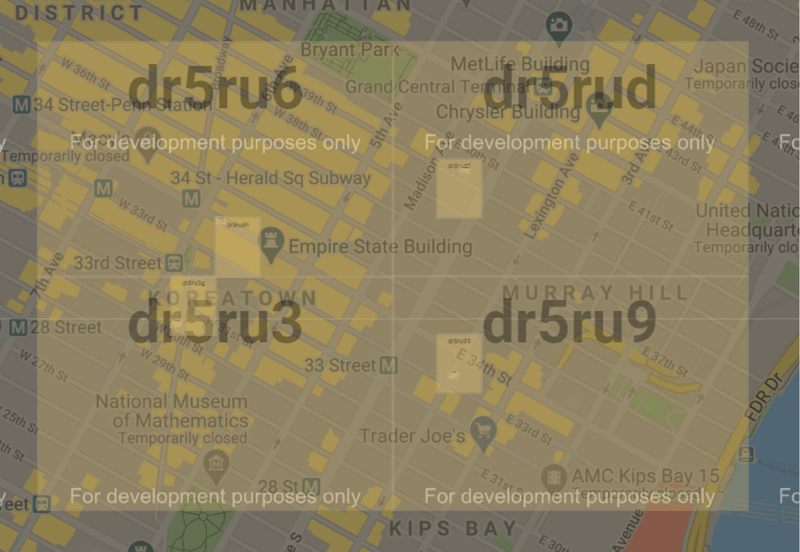
SELECT * FROM table_name WHERE geohash like 'dr5ru6%' or geohash like 'dr5ru3%' or geohash like 'dr5rud%' or geohash like 'dr5ru9%';

Doing this improves processing times and costs, as it allows you to quick sort through large amounts of data and work on more precise subsets of data. In fact, most data scientists use geohash to quickly sort through large location data sets, and then build specific queries (such as polygons) around the specific point/area of interest. In doing so, you can reduce your costs and increase your speed of processing, while maintaining accuracy and precision.

Types of geo-indexing systems

Geodata is information about geographic locations that is stored in a format that can be used with a geographic information system (GIS). For example, at Quadrant, our geo data is stored in three different formats which can be used for geospatial analysis: Country Codes, Latitude & Longitude coordinates, and Geohashes.

Country Codes

Usually the ISO2 2-digit alpha country code represents the locale of the devices i.e. the devices registered to users from the stipulated countries. At Quadrant, in addition to the country code, we also derive another attribute called ‘country’, where the country represents the events / devices that are seen within the geographical boundaries of stipulated countries. For example, if you want to get the total number of events seen within Singapore by using its country code, you can run a simple query: SELECT count(*) FROM table_name WHERE country = ‘SG’;

Lat/long coordinates

Coordinates can be used to identify where an event was recorded. We can use the coordinates to either list devices from a single location: SELECT * FROM table_name WHERE latitude = ‘41.9022’ and longitude = ‘-76.37695’

Or we can use a bounding box, which is an area defined by two longitudes and two latitudes, to get information from a certain area or a country.

Bounding box for Australia:
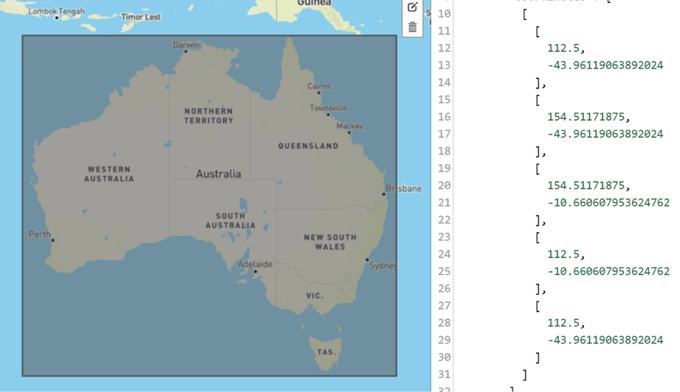
To get the total number of events seen within Australia by using a bounding box, you can run a simple query:

SELECT count(*) FROM table_name WHERE (latitude BETWEEN -43.96119063892024 and -10.660607953624762 and longitude BETWEEN 112.5 and 154.51171875);

Geofencing

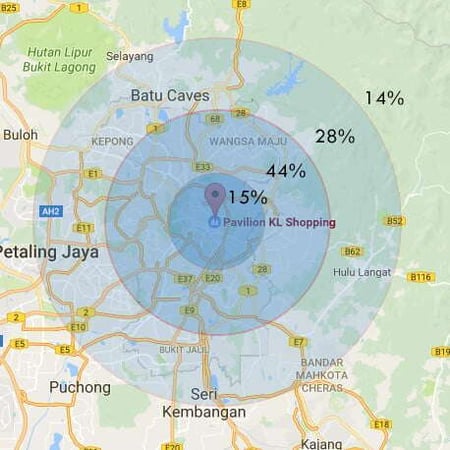
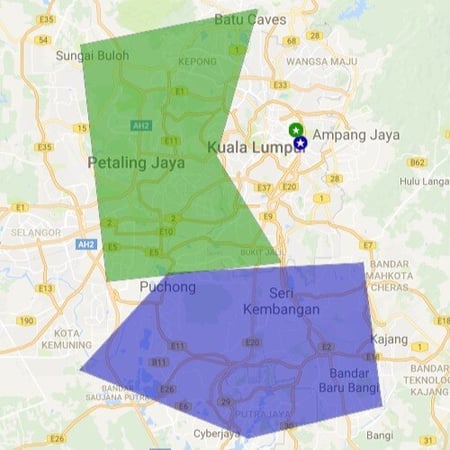
A geo-fence is a virtual perimeter for a real-world geographic area. They could be a radius around a single point, or a predefined set of boundary. Once a geo-fenced boundary is defined, the opportunities what businesses can do is limited by only their creativity.

One common use of geo-fencing is for businesses to set up geo-fences around their competitors. And push marketing promotions to customers that enters the zone. This is sometimes referred to as geo-conquest. Businesses could also provide Location Based Services within geo-fenced region.

Geofencing is ideal for catchment area analysis; a catchment is an area from which businesses expects to draw their customers from. Catchment areas can help businesses identify where to run their next marketing campaign or set up their next store.
 

Point of Interest (POI) Data FAQs

What is Point of Interest (POI) data?

Point of Interest (POI) data is a structured dataset containing information about physical places and businesses around the world.

A POI typically includes a location's name, category, address, geographic coordinates, and other attributes that help identify and describe a place. Examples include restaurants, retail stores, hotels, hospitals, airports, schools, EV charging stations, and government buildings.

POI data helps businesses, developers, and AI systems understand the physical world and the locations people interact with every day.

Why is POI data important?

POI data serves as the foundation for mapping, navigation, local search, mobility analytics, site selection, logistics, and location intelligence.

Organizations use POI data to understand where places are located, how places relate to one another, and how people interact with the physical world.

How is POI data used in AI?

POI data is increasingly used to train, evaluate, and improve AI systems that require geographic context and real world understanding.

AI applications powered by POI data include:

  • Mapping and navigation
  • Geographic search
  • Location aware recommendations
  • Autonomous systems
  • Mobility intelligence
  • Logistics optimization
  • Real estate analytics
  • Urban planning
  • Geographic reasoning

By providing structured information about physical places, POI data helps AI systems connect digital information with real world locations.

What industries use POI data?

POI data is widely used across:

  • Artificial Intelligence
  • Mapping and Navigation
  • Retail
  • Real Estate
  • Transportation
  • Logistics
  • Travel
  • Financial Services
  • Market Research
  • Telecommunications
  • Government
  • Urban Planning

Organizations use POI data to improve decision making, build location based products, and generate geographic insights.

What attributes are included in a POI dataset?

POI datasets commonly include:

  • Place name
  • Category and subcategory
  • Latitude and longitude
  • Address
  • City
  • State or province
  • Country
  • Postal code
  • Brand information
  • Geographic identifiers

Available attributes vary by provider and dataset.

What makes high quality POI data?

High quality POI data should be:

  • Accurate
  • Comprehensive
  • Frequently updated
  • Consistently categorized
  • Globally scalable
  • Easy to integrate

The quality of a POI dataset directly impacts mapping accuracy, search results, analytics outputs, and AI model performance.

How often should POI data be updated?

The physical world changes constantly. Businesses open, close, relocate, and rebrand every day.

Regular updates help ensure POI datasets remain accurate and relevant for navigation, analytics, AI applications, and location based services.

Organizations should evaluate how frequently their POI provider refreshes and validates its data.

How do I choose the right POI data provider?

When evaluating a POI data provider, consider:

  • Geographic coverage
  • Dataset completeness
  • Update frequency
  • Data accuracy
  • Category coverage
  • Ease of integration
  • Licensing flexibility
  • Scalability

The best provider depends on your use case, geographic requirements, and data quality expectations.

What is POI coverage?

POI coverage refers to the number and diversity of places included within a dataset across countries, regions, and categories.

Coverage is often evaluated based on:

  • Geographic reach
  • Number of locations
  • Industry categories
  • Brand representation
  • Freshness of the data

Comprehensive coverage enables more reliable analytics and AI applications.

How is POI data represented?

POI data is commonly represented using:

  • Latitude and longitude coordinates
  • Addresses
  • Geohashes
  • H3 indexes
  • Administrative boundaries

These formats allow organizations to store, search, analyze, and visualize locations efficiently.

What is the difference between POI data and location data?

POI data describes places.

Location data describes movement and observations associated with devices.

For example, a restaurant's location is a POI. A mobile device visiting that restaurant generates location data.

Together, POI data and location data help organizations understand both places and the activity occurring around them.

What is POI enrichment?

POI enrichment refers to the process of adding additional attributes and context to location records, such as business categories, addresses, brands, geographic hierarchies, and place metadata.

Enrichment helps organizations generate more meaningful insights and improve search, mapping, and analytics applications.

How does POI data improve mapping and navigation?

POI data helps users discover destinations, search for nearby places, calculate routes, and navigate more effectively.

Accurate POI datasets improve search relevance, destination matching, routing accuracy, and overall user experience.

How does POI data support site selection and market analysis?

Businesses use POI data to evaluate trade areas, understand competitive landscapes, identify underserved markets, and assess expansion opportunities.

POI data helps organizations make more informed decisions about where to invest, expand, or operate.

What is Quadrant's POI data coverage?

Quadrant provides a global POI dataset covering millions of locations across multiple countries and industry categories.

The dataset is designed to support mapping, analytics, AI applications, location intelligence, and business decision making at scale.

Which industries and categories are included in Quadrant's POI data?

Quadrant's POI dataset includes a broad range of categories, including:

  • Retail
  • Restaurants
  • Hotels
  • Healthcare
  • Education
  • Transportation
  • Financial Services
  • Government
  • Entertainment
  • Travel
  • EV Charging
  • Public Infrastructure

Coverage varies by region and category.

Why is POI data important for geospatial AI?

Geospatial AI requires structured information about real world locations to understand spatial relationships, geographic context, and human activity patterns.

POI data provides this foundational layer, helping AI systems interpret places, understand proximity, analyze geographic relationships, and generate more accurate location aware insights.

What is a POI dataset?

A POI dataset is a structured collection of information about physical locations and places. A typical POI dataset contains attributes such as place name, category, address, coordinates, and geographic identifiers.

POI datasets help organizations build mapping applications, power location intelligence platforms, support AI models, and analyze the physical world at scale.

What is a global POI database?

A global POI database is a collection of Points of Interest covering multiple countries, regions, and industries using a standardized data structure.

Organizations use global POI databases to build products, support international operations, improve analytics, and train AI systems that require consistent geographic information across markets.

What is POI freshness?

POI freshness refers to how accurately a POI dataset reflects current real world conditions.

Businesses open, close, relocate, and rebrand every day. Fresh POI data helps ensure that maps, analytics systems, and AI models are working with up to date information.

Freshness is one of the most important indicators of POI data quality.

Why do AI companies need POI data?

AI models increasingly require real world context to understand places, businesses, and geographic relationships.

POI datasets help AI companies build systems that can reason about locations, answer geographic questions, understand spatial relationships, and generate more accurate location aware outputs.

As geospatial AI continues to evolve, POI data is becoming a foundational dataset alongside text, image, and mobility data.

What are best practices for evaluating POI data?

Not all POI datasets are created equal. Before selecting a POI data provider, organizations should evaluate both the quality of the data and its suitability for their specific use case.

Key factors to consider include:

  • Coverage: Does the dataset cover the countries, regions, and categories you need?
  • Accuracy: Are locations correctly mapped with accurate coordinates and addresses?
  • Freshness: How frequently are new locations, closures, and business changes reflected?
  • Category Quality: Are locations consistently categorized and easy to analyze?
  • Attribute Completeness: Does the dataset include the fields required for your application?
  • Scalability: Can the dataset support global operations and large scale analytics?
  • Delivery Method: Is the data available in a format that integrates with your workflows?

Organizations building mapping products, analytics platforms, location intelligence solutions, and AI applications should also assess how well the dataset supports geographic search, spatial analysis, and real world decision making.

Ultimately, the best POI dataset is one that aligns with your business objectives, geographic requirements, and data quality expectations.

How Should One Evaluate a POI Data Provider?

Selecting the right POI data provider requires evaluating more than just the number of locations in a dataset. The quality, completeness, and usability of the data can have a significant impact on mapping products, location intelligence platforms, analytics workflows, and AI applications.

Key factors to consider include:

  • Coverage: Does the provider offer the geographic, category, and industry coverage your business requires?
  • Data Quality: Are locations accurately mapped with reliable coordinates, addresses, and categories?
  • POI Freshness: How frequently are new locations, business closures, relocations, and attribute updates reflected in the dataset?
  • Attribute Completeness: Does the dataset contain the information needed for your use case?
  • Consistency: Are categories, naming conventions, and geographic attributes standardized across markets?
  • Scalability: Can the provider support global deployments and large scale analytics?
  • Delivery Options: Is the data easy to access and integrate into your existing systems?

The best POI data provider is one that delivers accurate, comprehensive, and regularly updated data that aligns with your business goals and technical requirements.

General Questions

What is the difference between location data and POI data?

Location data describes movement and observations associated with devices.

POI data describes physical places.

For example, a coffee shop is a POI. A smartphone visiting that coffee shop generates location data.

Together, location data and POI data provide a more complete understanding of how people interact with places in the physical world.

What is location intelligence?

Location intelligence is the process of analyzing geographic data to generate business insights and support decision making.

Organizations combine POI data, location data, demographics, mobility patterns, and geographic context to better understand markets, customers, competitors, and real world activity.

Location intelligence is used across retail, logistics, real estate, financial services, government, and AI applications.

What is geospatial AI?

Geospatial AI combines artificial intelligence with geographic and spatial data to understand relationships between people, places, and movement patterns.

Geospatial AI applications include mapping, navigation, route optimization, site selection, urban planning, geographic search, mobility analytics, and location based recommendations.

POI data provides the foundational place layer that helps geospatial AI systems understand the physical world.

How can Location data improve AI agents and LLMs?

Large language models often lack an understanding of how people move through and interact with the physical world.

Location data provides real world behavioral signals that can help AI systems understand mobility patterns, visitation trends, geographic relationships, and how people engage with places over time.

AI developers use location data to support:

  • Geospatial AI applications
  • Mapping and navigation systems
  • Mobility intelligence
  • Geographic reasoning
  • Location based recommendations
  • Site selection and market analysis
  • Urban planning and transportation modeling

Location data can also support Retrieval Augmented Generation (RAG) workflows and AI agents that require real world context, helping them generate more accurate and location aware insights.

Alternatively, if you want to lean harder into the AI narrative that many data providers are now using:

Why is location data important for AI?

Location data provides a real world layer of intelligence that helps AI systems understand where activity occurs, how people move, and how places are connected.

By combining location data with other datasets such as POI data, demographic data, and business information, AI models can generate richer geographic insights, improve spatial reasoning, and better understand real world behavior.

As AI systems increasingly move beyond text and images, location data is becoming an important dataset for training, evaluating, and grounding geospatial AI applications.

What is geographic context?

Geographic context refers to the information surrounding a location, including nearby businesses, transportation networks, neighborhoods, landmarks, and other places.

Adding geographic context helps organizations better understand locations and improves the performance of analytics and AI systems.

What is spatial analysis?

Spatial analysis is the process of examining geographic relationships, patterns, and trends across locations.

Businesses use spatial analysis to identify opportunities, understand customer behavior, optimize operations, and support location based decision making.

What is geospatial data?

Geospatial data is information that contains a geographic component such as coordinates, addresses, boundaries, or place information.

Examples include POI data, location data, building footprints, administrative boundaries, road networks, and satellite imagery.

How does geospatial data support business decision making?

Geospatial data helps organizations understand where events occur and how locations relate to one another.

Businesses use geospatial data for expansion planning, market analysis, logistics optimization, competitive intelligence, and location intelligence initiatives.

What is place discovery?

Place discovery refers to the process of finding and identifying relevant locations based on a user's search, intent, or geographic context.

POI data powers place discovery experiences across maps, search engines, navigation platforms, travel applications, and AI assistants.

What is local search?

Local search helps users find nearby businesses, services, and destinations based on geographic relevance.

Accurate POI data improves local search experiences by ensuring users receive relevant and up to date location information.

What is place intelligence?

Place intelligence is the practice of understanding physical locations through geographic, business, and contextual data.

Organizations use place intelligence to evaluate markets, understand competitive landscapes, identify opportunities, and support strategic planning.

About Quadrant

When was Quadrant founded?

Quadrant.io was founded in 2014 with a focus on location data, mobility intelligence, and geospatial analytics. As demand for location intelligence grew, the company expanded its offerings to include Point of Interest (POI) data in 2020.

Quadrant was officially incorporated in Singapore in 2018 by founder Mike Davie and was acquired by Appen in 2021. Today, Quadrant continues to provide location and POI datasets that support AI, analytics, mapping, and location intelligence applications worldwide.

Where is Quadrant headquartered?

Quadrant is headquartered in Singapore, where the company was incorporated and continues to operate its global location intelligence and geospatial data business.

Quadrant is part of Appen, a global provider of AI data and services. Appen's global headquarters are located in Chatswood, New South Wales, Australia, and the company maintains a major United States headquarters in Kirkland, Washington.

Together, Quadrant and Appen support customers worldwide with data solutions for AI, analytics, location intelligence, and geospatial applications.

What industries does Quadrant serve?

Quadrant supports organizations across a wide range of industries that rely on location intelligence, geospatial data, and AI ready datasets to power decision making and innovation. These industries include:

  • Artificial Intelligence and Machine Learning
  • Mapping and Navigation
  • Retail and Consumer Goods
  • Real Estate and Site Selection
  • Transportation and Mobility
  • Logistics and Supply Chain
  • Financial Services
  • Telecommunications
  • Market Research
  • Travel and Hospitality
  • Government and Public Sector

Organizations use Quadrant's location and POI data to build AI applications, improve operational efficiency, understand consumer behavior, optimize networks, and generate location based insights.


How many customers does Quadrant support globally?

Quadrant supports 100+ organizations around the world, ranging from startups and research institutions to large enterprises and global brands.

Why do customers trust Quadrant?

Organizations trust Quadrant because of our long standing commitment to data quality, ethical sourcing, transparency, and customer success. Since 2014, we have helped businesses, researchers, and technology companies unlock value from location and geospatial data.

Quadrant combines over a decade of location intelligence expertise with transparent data practices, responsible data sourcing, and fair pricing. 

What makes Quadrant different from other location data providers?

Quadrant focuses on quality over volume. While many providers emphasize the size of their datasets, we prioritize the accuracy, reliability, and usability of the data we deliver.

Our location datasets undergo rigorous in house quality assessment processes designed to identify and remove low quality signals before they reach customers. We also do not rely on bidstream data, allowing us to maintain a stronger focus on data quality and suitability for analytics, location intelligence, and AI use cases.

How does Quadrant ensure data quality?

Quadrant's approach to data quality is built around our Quality Promise, ensuring customers receive location data that is fit for purpose and aligned with their use case.

The Quadrant Quality Dashboard provides a suite of quality metrics that help customers evaluate and compare location data feeds available on our platform. These insights enable organizations to assess the strengths of different datasets and select the data that best meets their requirements.

Rather than taking a one size fits all approach, Quadrant empowers customers to make informed decisions using transparent quality measurements and evaluation criteria.

What quality assurance processes does Quadrant use?

Quadrant applies multiple quality assurance processes to evaluate and improve the quality of location data.

These processes include:

  • Horizontal accuracy assessment
  • Completeness analysis
  • Duplicate detection and removal
  • Noise filtering
  • Teleportation detection
  • Device quality evaluation
  • One time ping analysis
  • Data consistency checks
  • Coverage assessment
  • Signal validation

These quality controls help reduce anomalous observations and improve the reliability of location intelligence, mobility analytics, visitation measurement, and AI applications built on the data.

What makes Quadrant different from other industry players?

Quadrant is more than a data provider. The Quadrant Platform is designed to help organizations unlock greater value from location data through advanced analytics and Artificial Intelligence.

The platform hosts a growing suite of AI powered capabilities that help customers work with location data in a faster, more intuitive, and more efficient way. Our first generation of algorithms was built to address some of the most common challenges in location intelligence, helping businesses, governments, and organizations derive meaningful insights from complex geospatial datasets.

Quadrant's vision extends beyond providing data. We aim to create a resourceful ecosystem for innovators, data scientists, product teams, and enterprises looking to build the next generation of location intelligence and geospatial AI solutions.

What datasets does Quadrant offer?

Quadrant offers global mobility and Point of Interest (POI) datasets designed to support location intelligence, analytics, mapping, and AI applications.

What regions does Quadrant cover?

Quadrant provides global coverage across multiple countries and regions through its mobility and POI datasets.

How does Quadrant manage opt out and data deletion requests?

Quadrant is committed to transparency, privacy, and responsible data practices. We maintain processes to handle opt out and data deletion requests in accordance with applicable privacy regulations and our internal privacy standards.

To promote transparency, Quadrant publishes monthly updates on privacy related requests through our Privacy Request Metrics page, providing visibility into how requests are processed and managed.

For more information about our privacy practices, data handling procedures, and user rights, please refer to Quadrant's Privacy Policy.