
Urban Planning
Use-cases and Applications
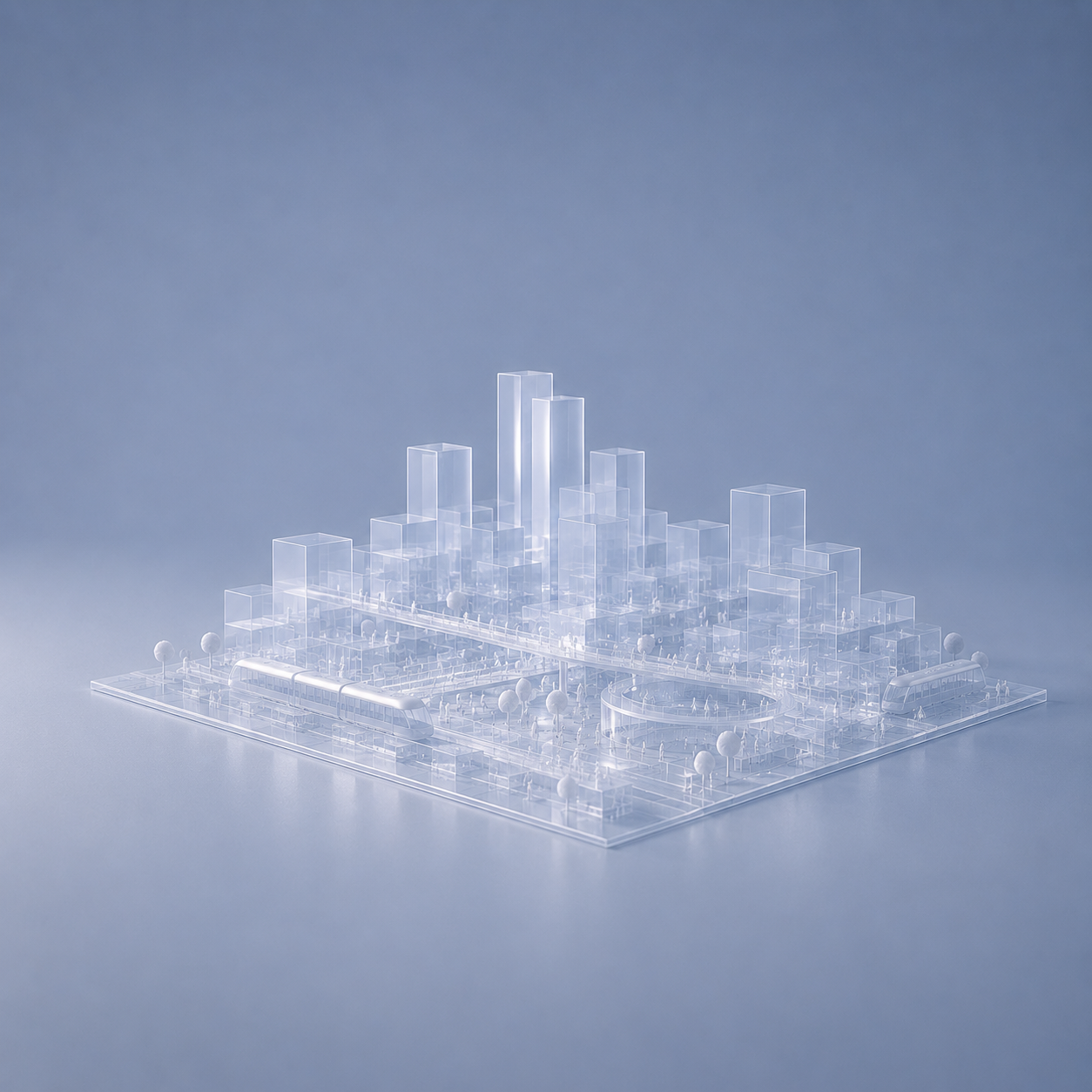
Urban planners, researchers, consultants, and local governments use location data to generate insights into mobility patterns, place utilization, and population movement trends. They analyze how people interact with cities and public spaces to better understand communities, uncover growth opportunities, identify areas of high activity, and optimize the planning and utilization of public infrastructure, transportation networks, and amenities. Location intelligence is also used to build mobility models and movement simulations that support urban development, land use planning, and the expansion of public facilities.
Today, location data provides timely and scalable insights that complement traditional surveys, traffic counts, and sensor networks. This enables planners and decision makers to understand real world movement patterns more efficiently, helping create smarter, more connected, and more resilient communities.
Build smarter cities
Leverage location data to support sustainable urban development, infrastructure planning, and the creation of connected communities.
Enhance travel and tourism
Improve accessibility, visitor experiences, and public amenities to attract more visitors and support local economies.
Measure infrastructure ROI
Evaluate the impact of public investments, optimize resource allocation, and maximize the utilization of public spaces.
Optimize transportation
Improve public transit accessibility, reduce congestion, and support safer, more efficient mobility and traffic management across cities.
Support evolving urban needs
Use mobility insights to adapt infrastructure, services, and public spaces to changing community behaviors and demands.
Ensure disaster preparedness
Monitor movement patterns in vulnerable areas to improve emergency planning, evacuation strategies, and response efforts.
University of Auckland studies human mobility to suggest urban design and architecture improvements
Learn how scholars assessed pre- and post-pandemic footfall patterns around and within certain areas to optimize the usage of public spaces and amenities.
-
Mapped human mobility trends
-
Identified vibrant urban spaces
-
Enabled data driven urban planning
Request More Info
Got a question we haven't answered? Please fill out the form to get in touch with our team. We strive to respond to every request as quickly as possible. If you're ready to have advanced discussions about data pricing etc, you can talk to Tim.
Frequently Asked Questions
How can location data improve advertising campaign performance?
Location data helps advertisers understand where audiences live, work, shop, and spend time. By analyzing real world movement patterns and visitation behavior, marketers can build more targeted campaigns, optimize media spend, and reach consumers with relevant messaging at the right place and time.
How is location data used to measure marketing ROI?
Location data enables marketers to measure the impact of campaigns by analyzing changes in foot traffic and visitation patterns before, during, and after an advertising campaign. This helps brands assess campaign effectiveness, understand customer behavior, and make data driven marketing decisions.
Can location data help identify and target new customers?
Yes. Location intelligence can help businesses identify audiences that visit competitor locations, frequent relevant Points of Interest (POIs), or exhibit behaviors aligned with their target market. These insights can be used to improve audience segmentation, customer acquisition strategies, and advertising performance.